
-
About UsBaoding Songli communication engineering Co.,Ltd. Is a professional company of power supply, power module, power distribution cabinet and so on.

-
ProductSongli have established long term cooperative relationship with the factories of Vetiv, Eltek, Delta, Huawei, ZTE, DPC and so on. We can get competitive prices and bring these benefits to our customers
-
Contact UsWe expanded our international trade business in 2019 and have now covered 89 countries including Southeast Asia, Africa, the Middle East, North America, and South America, receiving praise from over 200 customers.



Enhancing Telecom Power System Efficiency and Reliability
Published:
2025-03-28
A telecom power system plays a critical role in ensuring uninterrupted communication services, particularly in demanding environments. With the continuous expansion of telecommunications infrastructure, modern power systems must meet high standards of reliability, efficiency, and adaptability.
A telecom power system plays a critical role in ensuring uninterrupted communication services, particularly in demanding environments. With the continuous expansion of telecommunications infrastructure, modern power systems must meet high standards of reliability, efficiency, and adaptability.
A robust telecom power system is designed to maintain high reliability under various conditions. It features a wide voltage input range of 85–300Vac, making it highly adaptable to different power grid conditions and compatible with oil engine generators. Additionally, its wide operational temperature range of -5℃ to 55℃ (with de-rating above 40℃) ensures environmental resilience, allowing deployment in diverse geographical locations. The inclusion of an AC-side lightning protection design further enhances the system's ability to withstand surges, reducing the risk of damage and system failures. Furthermore, a built-in battery reverse polarity protection function mitigates risks associated with improper battery connections, thereby preventing operational errors.
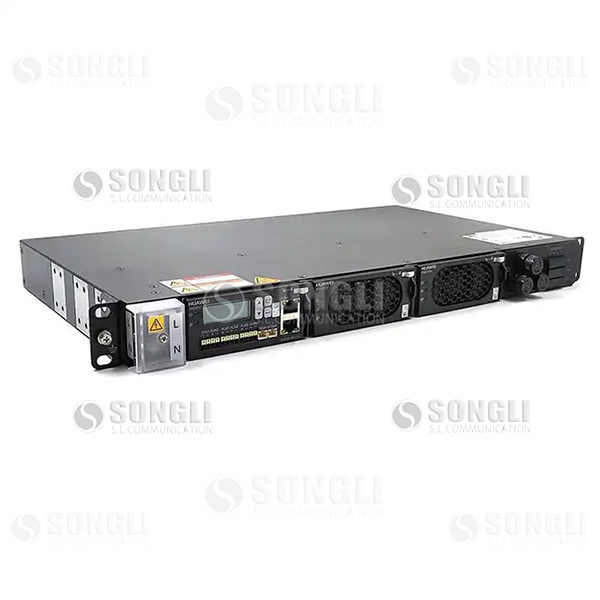
Efficiency is a key aspect of any telecom power system. With rectifier module efficiencies exceeding 96%, these systems contribute significantly to lowering electricity costs for users. The incorporation of patented rectifier module sleep technology further enhances energy efficiency by optimizing power consumption based on demand. Additionally, an intelligent fan speed control function minimizes system losses while prolonging the lifespan of cooling components, resulting in a more cost-effective and durable solution.
The intelligence of a telecom power system is essential for streamlined operations and maintenance. High power density rectifier modules ensure ample space for wiring and operational maneuverability. Multiple communication interfaces, including USB, Ethernet, and intelligent dry contact points, provide flexible networking options. Each rectifier module features an independent ID recognition function, facilitating precise asset management. Furthermore, an advanced battery management system extends battery life by optimizing charge and discharge cycles, improving overall performance and reliability.
A well-designed telecom power system supports rapid deployment and easy installation. It is compatible with 19-inch and 21-inch embedded mounting options, making it suitable for various infrastructure setups. The low-noise design ensures minimal acoustic interference, making it ideal for deployment in noise-sensitive environments. The full front maintenance design allows for flexible installation in indoor telecom rooms, outdoor cabinets, stairwells, and basements, ensuring adaptability to different site conditions.
Modern telecom power systems are widely applied in diverse telecommunications environments, including outdoor telecom base stations, 4G/5G indoor coverage solutions, integrated access networks, and remote/micro stations. Their advanced design and intelligent functionalities make them indispensable for ensuring sa table and efficient power supply across various telecommunication infrastructures.
FOCUS ON HOT SPOTS
Contact Us
Add: Room 1102, 11th Floor, Jingdong Baoding Digital Economy Industrial Park, Jinhu Street, Fuxing East Road, Lianchi Dist., Baoding, Hebei, China
Whatsapp:8613700329343
Tel:+86 13700329343
E-mail: tom@songlitx.com
Copyright Baoding Songli communication engineering Co.,Ltd.

Online Message